May 12, 2026
Your vehicle's electrical system depends heavily on a properly functioning alternator. When this component begins to fail, the effects can ripple through everything from battery performance to drivability. That's why accurate diagnosis is essential. Experienced technicians use a structured process to determine whether the alternator is working correctly or contributing to broader electrical issues. Understanding how local auto services assess your car's alternator can help you recognize problems early and make informed decisions about repairs.
While many drivers associate alternator issues with a dead battery, the reality is more complex. The alternator must generate consistent voltage under varying engine loads, support multiple electrical systems simultaneously, and maintain proper charging levels. A thorough evaluation ensures that no underlying issues are overlooked and that any repair addresses the root cause rather than just the symptoms.
Initial Inspection and Symptom Evaluation
Recognizing Early Warning Signs
Before any tools are connected or tests are performed, technicians begin with a careful review of your vehicle's symptoms. This step provides critical context and often points directly to alternator-related concerns. Drivers frequently report issues such as dim or flickering headlights, difficulty starting the engine, or electrical accessories behaving unpredictably. These signs suggest that the alternator may not be supplying sufficient or stable power.
Professional local auto services rely on both customer feedback and observational checks during this phase. For example, a technician may start the engine and observe whether interior or exterior lights fluctuate in brightness. They may also listen for unusual noises, such as whining or grinding, which can indicate worn internal components or bearing failure within the alternator.
In addition, repeated battery drain is a strong indicator that the charging system is not functioning properly. While the battery itself may appear to be the issue, it is often the alternator that fails to recharge it adequately. Identifying these patterns early helps narrow the diagnostic focus and prevents unnecessary part replacements.
Visual Inspection of Components
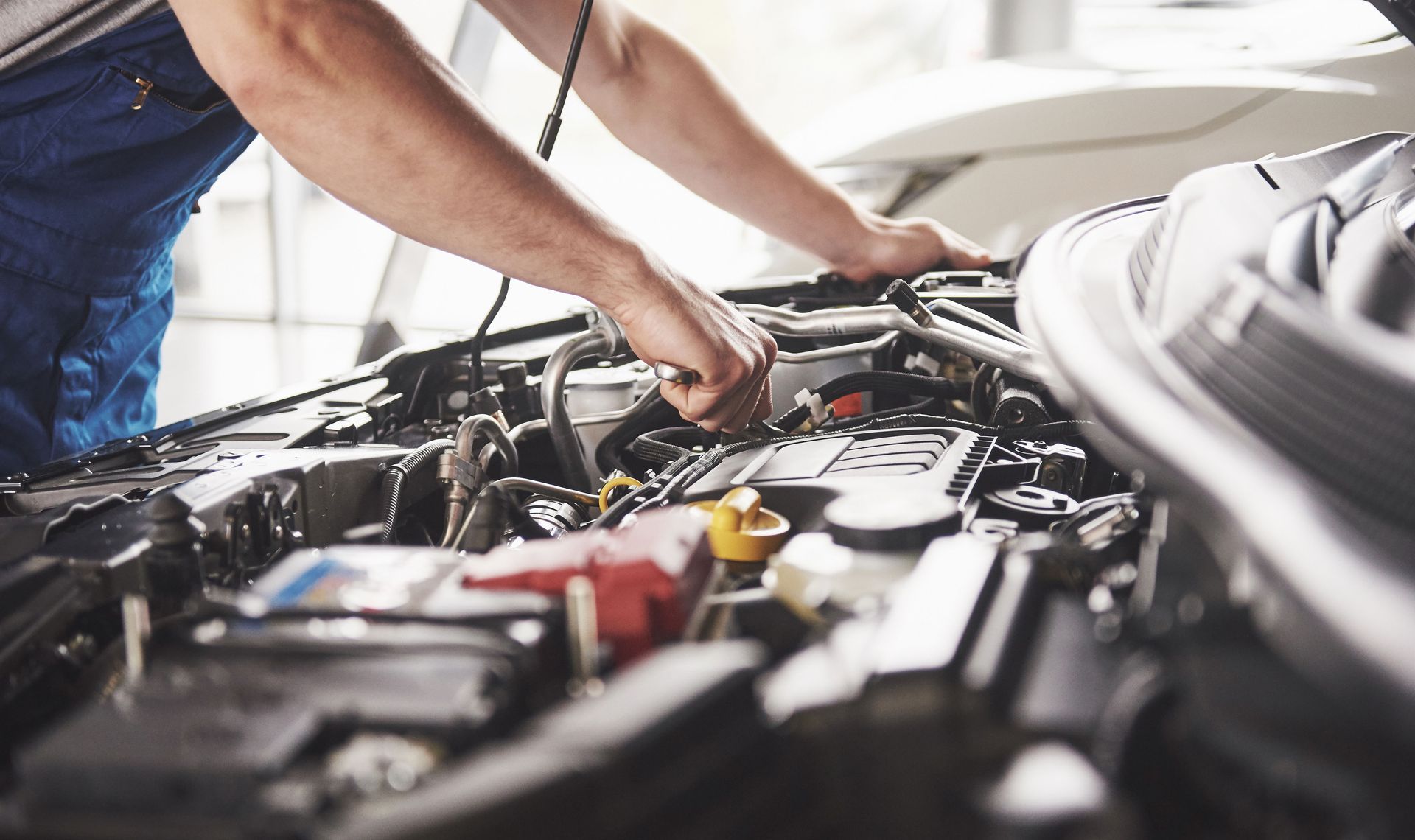
After gathering initial observations, technicians perform a visual inspection of the alternator and its related components. This step is essential because many alternator issues stem from external factors rather than internal failure. The serpentine belt, for instance, plays a key role in driving the alternator. If the belt is worn, cracked, or loose, it can reduce the alternator's ability to generate power.
Technicians also check for signs of corrosion or loose connections at the battery terminals and alternator wiring. Poor electrical connections can mimic alternator failure by interrupting the flow of current. Ensuring that all connections are secure and free of debris is a fundamental part of the assessment process.
Another important aspect of the visual inspection is examining the alternator housing for physical damage or contamination. Oil leaks, dirt buildup, or exposure to moisture can compromise the alternator's performance over time. By addressing these issues, local auto services can sometimes resolve charging problems without replacing the alternator itself.
Diagnostic Testing and Performance Measurement
Voltage Output Testing
Once the initial inspection is complete, technicians move on to diagnostic testing. One of the most important steps in this process is measuring the alternator's voltage output. This test determines whether the alternator is producing the correct amount of electrical power under normal operating conditions.
Using specialized equipment, technicians measure the voltage at the battery while the engine is running. A properly functioning alternator typically produces a voltage within a specific range, ensuring that the battery is charged without being overworked. If the voltage is too low, it indicates insufficient charging. If it is too high, it may point to a faulty voltage regulator, which can damage the battery and other electrical components.
Local auto services often perform this test under different conditions, such as with headlights, air conditioning, and other accessories turned on. This approach simulates real-world driving scenarios and reveals how the alternator performs under load. Consistent voltage across these conditions is a strong indicator of a healthy alternator.
Load Testing the Charging System
In addition to basic voltage checks, technicians conduct load testing to evaluate how the alternator performs when the electrical system is under stress. This test is crucial because an alternator may appear to function normally at idle but fail when demand increases.
During a load test, multiple electrical components are activated simultaneously to place a higher demand on the alternator. Technicians monitor how the system responds, paying close attention to voltage stability and overall performance. A significant drop in voltage during this test suggests that the alternator cannot keep up with the vehicle's electrical needs.
This step is particularly important in modern vehicles, which rely on numerous electrical systems to operate efficiently. According to In The Garage Media, most contemporary vehicles are equipped with alternators rated between 140 and 160 amps, reflecting the increased demand placed on the charging system. Ensuring that the alternator can handle this demand is a key part of the assessment process.
Comprehensive System Analysis and Repair Recommendations
Identifying Related Electrical Issues
A thorough alternator assessment goes beyond the component itself. Technicians examine the entire electrical system to identify any related issues that could affect performance. This includes checking wiring harnesses, fuses, and other components that interact with the alternator.
Electrical problems are often interconnected, meaning that a fault in one area can impact multiple systems. For example, damaged wiring can restrict the flow of current, causing the alternator to work harder than necessary. By identifying these issues, local auto services ensure that repairs address the full scope of the problem.
This comprehensive approach also helps prevent repeat failures. Simply replacing the alternator without addressing underlying issues can lead to the same problems recurring. A detailed system analysis provides a more reliable and long-lasting solution.
Determining Repair or Replacement Needs
After completing all tests and inspections, technicians evaluate whether the alternator can be repaired or needs to be replaced. In some cases, minor issues such as worn brushes or a faulty voltage regulator can be addressed without replacing the entire unit. However, more severe damage or internal wear typically requires a full replacement.
The decision is based on several factors, including the alternator's condition, the extent of the damage, and the overall cost-effectiveness of the repair. Technicians aim to provide solutions that balance reliability and value, ensuring that customers receive the best possible outcome.
Local auto services prioritize transparency during this stage, explaining the findings and outlining available options. This allows vehicle owners to make informed decisions about their repairs, with a clear understanding of the benefits and limitations of each approach.
Assessing an alternator requires a detailed and systematic approach that combines observation, testing, and comprehensive analysis. From conducting advanced diagnostic tests to identifying early warning signs, each step plays a critical role in determining the health of the charging system. By evaluating both the alternator and its related components, technicians ensure that any issues are accurately diagnosed and effectively resolved.
When you rely on experienced professionals, you benefit from a process designed to uncover the root cause of electrical problems rather than just treating surface symptoms. This level of precision helps maintain your vehicle's reliability and prevents recurring issues. With the support of local auto services, you can keep your charging system in optimal condition and avoid the inconvenience of unexpected breakdowns. If you're looking for local auto services to evaluate your car's alternator, be sure to contact Hudson Auto Center, LLC!